

1 cup (2 sticks/227 g) unsalted butter, room temperature
3/4 cup (90 g) powdered sugar
2 cups (240 g) all-purpose flour
2 tablespoons (16 g) cornstarch
1/2 teaspoon fine salt
2 teaspoons pure vanilla extract
2–3 tablespoons coarse or granulated sugar, for sprinkling (optional)
In a large bowl, beat the softened butter and powdered sugar with a hand mixer until smooth and creamy, about 1–2 minutes. Mix in the vanilla.
In a separate bowl, whisk together the flour, cornstarch, and salt. Add the dry ingredients to the butter mixture and mix on low just until a soft dough forms; it may look crumbly at first, but it should come together when pressed.
Divide dough in half. Shape each half into a 2-inch diameter log. Wrap tightly in plastic and chill until firm, 1–2 hours (or freeze 25–30 minutes for a quick chill).
Preheat the oven to 325°F (165°C). Line 2 baking sheets with parchment paper.
Slice the chilled logs into 1/3-inch thick rounds and arrange 2 inches apart on the prepared sheets. If desired, lightly sprinkle the tops with coarse or granulated sugar.
Bake for 12–16 minutes, until the edges are set and just barely turning pale golden; the cookies should not brown deeply.
Let cookies cool on the baking sheet for 5 minutes, then transfer to a wire rack to cool completely. Store airtight at room temperature for up to 1 week or freeze up to 2 months.

1 tablespoon extra-virgin olive oil
1 medium fennel bulb, thinly sliced (reserve fronds for garnish)
1 small leek (white and light green parts), thinly sliced and rinsed
1 celery stalk, thinly sliced
1 small garlic clove, lightly crushed
3 thin slices fresh ginger
1 teaspoon lightly crushed coriander seeds
1/2 cup dry white wine (optional)
4 cups low-sodium vegetable stock
Strips of zest from 1 lemon (use a peeler)
Strips of zest from 1/2 orange
Pinch of saffron threads (10–12 threads)
2 tablespoons fresh lemon juice, plus more to taste
1 tablespoon fresh orange juice
2 tablespoons chopped fresh dill
1/4 teaspoon freshly ground white pepper
Kosher salt, to taste
Fennel fronds and a few drops of extra-virgin olive oil, for garnish
Warm the vegetable stock in a small pot until steaming; add saffron threads to bloom and set aside.
In a separate pot, heat 1 tablespoon olive oil over medium. Add fennel, leek, and celery with a pinch of salt; sweat until translucent and tender, 6–8 minutes. Stir in garlic, ginger, and crushed coriander seeds; cook 1 minute until fragrant.
Deglaze with white wine (if using) and reduce by half, 2–3 minutes.
Pour in the warm saffron stock along with the lemon and orange zest strips and white pepper. Bring to a gentle simmer and cook 12–15 minutes to infuse without bitterness.
Strain through a fine-mesh sieve into a clean pot for a clear broth, pressing lightly on solids. Discard solids.
Stir in lemon juice, orange juice, and chopped dill. Season with salt and additional lemon juice to taste; keep hot without boiling.
Ladle into warm bowls and garnish with fennel fronds and a few drops of extra-virgin olive oil. Serve alongside the salmon to cut richness and echo its citrus-herb notes.

1 cup coarse-ground polenta (not instant)
4 cups low-sodium chicken broth (or water)
1 cup whole milk
1 teaspoon kosher salt, plus more to taste
2 tablespoons extra-virgin olive oil, divided
1/3 cup mascarpone cheese
1/2 cup finely grated Parmigiano-Reggiano
1 bunch scallions, trimmed
Freshly ground black pepper
1 teaspoon finely grated lemon zest (optional)
Char the scallions: Toss the scallions with 1 teaspoon olive oil and a pinch of salt. Sear in a hot skillet or under the broiler, turning, until lightly charred and tender, 3–5 minutes. Roughly chop and set aside.
Start the polenta: In a medium saucepan, bring the broth and milk to a gentle simmer with 1 teaspoon salt. While whisking, slowly rain in the polenta to prevent lumps.
Cook low and slow: Reduce heat to low and cook, stirring often with a wooden spoon, until thick, creamy, and the grains are tender, 25–35 minutes. If it thickens too quickly, whisk in hot water or broth a splash at a time to maintain a creamy flow.
Finish: Stir in 1 tablespoon olive oil, mascarpone, and Parmigiano-Reggiano until glossy. Season with black pepper and additional salt as needed. Fold in most of the chopped charred scallions and the lemon zest (if using).
Serve: Spoon into warm bowls, drizzle with the remaining 1 tablespoon olive oil, and scatter the reserved scallions on top. Keep warm; thin with a splash of hot liquid if it firms up before serving.

2 cups (250 g) all-purpose flour
1 tsp kosher salt, plus more for boiling water
1/4 tsp freshly grated nutmeg
3 large eggs
3/4 cup (180 ml) whole milk
4 tbsp (56 g) unsalted butter
1/4 cup finely chopped fresh parsley
1 tsp finely grated lemon zest
Freshly ground black pepper, to taste
In a bowl, whisk flour, 1 tsp salt, and nutmeg. In a measuring cup, whisk eggs and milk until smooth, then stir into the flour mixture until a thick, sticky batter forms. Let rest 10–15 minutes.
Bring a large pot of well-salted water to a gentle boil. Set a spätzle maker or a colander with large holes over the pot.
Working in batches, press or scrape the batter through the holes into the simmering water. Cook until the spätzle float and are tender, 1–2 minutes. Scoop out with a slotted spoon to a colander; repeat with remaining batter.
In a large skillet over medium heat, melt the butter and cook until foamy and nutty brown, 2–3 minutes.
Add the drained spätzle to the brown butter, tossing to coat and lightly sautéing 2–3 minutes. Season with black pepper and adjust salt.
Off the heat, toss in parsley and lemon zest. Serve immediately alongside the Beef Rouladen to catch the pan gravy.

1 large fennel bulb, cored and very thinly sliced (reserve fronds), about 2 cups
4 cups baby arugula, lightly packed
2 navel oranges, segmented (reserve any juices)
4 radishes, thinly sliced
1/3 cup shaved Parmesan cheese
1/3 cup toasted almonds, roughly chopped
2 tablespoons chopped fresh flat-leaf parsley
2 tablespoons fresh lemon juice
1 tablespoon white wine vinegar
1 teaspoon Dijon mustard
1 teaspoon honey
1 tablespoon capers, rinsed and chopped
1 teaspoon finely chopped fresh thyme leaves
1 teaspoon finely grated orange zest
1/3 cup extra-virgin olive oil
1/4 teaspoon kosher salt, plus more to taste
1/4 teaspoon freshly ground black pepper, plus more to taste
Toast the almonds in a dry skillet over medium heat until fragrant and lightly golden, 3–4 minutes; cool.
Segment the oranges over a bowl to catch juices; set segments aside and reserve 1 tablespoon of the juice.
In a small bowl, whisk lemon juice, white wine vinegar, Dijon, honey, capers, thyme, orange zest, and the reserved orange juice. Slowly whisk in olive oil until emulsified; season with 1/4 teaspoon each salt and pepper.
Combine shaved fennel, arugula, radishes, and parsley in a large bowl. Add about two-thirds of the vinaigrette and toss to coat.
Gently fold in orange segments and shaved Parmesan; add more dressing as needed. Adjust salt and pepper to taste.
Top with toasted almonds and a few chopped fennel fronds (optional). Serve immediately alongside the pot roast to cut richness and refresh the palate.

1 cup sour cream
1 cup whipped topping, thawed
2 tablespoons fresh orange juice (optional)
1 teaspoon vanilla extract
1/8 teaspoon fine salt
2 cups mini marshmallows
1 can (20 oz) pineapple tidbits, well drained
1 can (15 oz) mandarin oranges, drained gently
1 cup sweetened shredded coconut
1 cup maraschino cherries, halved and patted dry
1/2 cup chopped toasted pecans (optional)
Prep fruit: drain pineapple and mandarin oranges very well; halve and pat cherries dry with paper towels to prevent excess moisture.
In a large bowl, whisk together sour cream, whipped topping, orange juice (if using), vanilla, and salt until smooth.
Fold in mini marshmallows, pineapple, coconut, cherries, and pecans (if using). Gently fold in mandarin oranges last to avoid breaking them up.
Cover and refrigerate for at least 2 hours (up to 24 hours) to chill and allow flavors to meld.
Stir gently before serving. Serve cold; garnish with a sprinkle of coconut or extra pecans if desired.

2 tbsp extra-virgin olive oil
1 medium yellow onion, finely chopped
2 celery ribs, diced
1 small carrot, diced
3 garlic cloves, minced
1/2 tsp ground cumin
1/4 tsp smoked paprika
1/2 tsp dried oregano
6 cups (1.4 L) low-sodium vegetable broth
1 bay leaf
1 can (15 oz/425 g) chickpeas, drained and rinsed
3/4 cup (120 g) orzo
1/4 cup (60 ml) fresh lemon juice
1 tsp finely grated lemon zest
1/4 cup (60 g) tahini, well-stirred
2 tbsp fresh dill, chopped
2 tbsp fresh parsley, chopped
1 tsp kosher salt, plus more to taste
1/4 tsp freshly ground black pepper
Pinch red pepper flakes (optional)
Lemon wedges, for serving
Warm the olive oil in a medium pot over medium heat. Add onion, celery, and carrot; cook, stirring, until softened and translucent, 5–6 minutes.
Stir in garlic, cumin, smoked paprika, and dried oregano; cook until fragrant, 30 seconds.
Pour in the vegetable broth, add the bay leaf and chickpeas, and bring to a gentle simmer for 8–10 minutes.
Stir in the orzo and simmer until just tender, 7–9 minutes, stirring occasionally so it doesn’t stick.
Meanwhile, in a bowl whisk together tahini, lemon juice, and lemon zest. Slowly ladle in 1–2 cups hot broth from the pot while whisking to create a smooth, pourable emulsion.
Remove the soup from heat. Fish out the bay leaf, then whisk the tahini-lemon mixture into the pot. Season with salt and black pepper. If desired, add a pinch of red pepper flakes.
Fold in dill and parsley. If the soup is thicker than you like, loosen with a splash of hot water or broth. Serve with lemon wedges for extra brightness.

1 cup quinoa, rinsed
1 1/2 cups low-sodium vegetable broth or water
1 medium fennel bulb, cored and thinly sliced (reserve fronds for garnish)
1 small shallot, thinly sliced
1 large navel orange (finely grate zest, then segment; reserve 2 tablespoons juice)
2 tablespoons fresh lemon juice
3 tablespoons extra-virgin olive oil, divided
1 teaspoon Dijon mustard
1 tablespoon capers, rinsed and chopped (optional)
1/4 cup sliced almonds or pistachios, toasted
2 tablespoons chopped fresh parsley
1 tablespoon chopped fresh mint
1/4 teaspoon red pepper flakes (optional)
Kosher salt and freshly ground black pepper
Combine quinoa and broth (or water) in a saucepan with a pinch of salt. Bring to a boil, reduce to a simmer, cover, and cook until liquid is absorbed, 14–16 minutes. Remove from heat, cover, and let steam 5 minutes; fluff with a fork.
Meanwhile, heat 1 tablespoon olive oil in a skillet over medium. Add sliced fennel and a pinch of salt; cook, stirring occasionally, until tender and lightly golden, 6–8 minutes. Stir in shallot and cook 1–2 minutes more. Remove from heat.
In a small bowl, whisk orange zest, reserved 2 tablespoons orange juice, lemon juice, Dijon, remaining 2 tablespoons olive oil, a pinch of salt, black pepper, and red pepper flakes (if using) until emulsified.
In a large bowl, combine warm quinoa, fennel–shallot mixture, capers (if using), half the herbs, and half the nuts. Pour over the citrus vinaigrette and toss to coat evenly.
Gently fold in the orange segments. Taste and adjust seasoning with more salt, pepper, or lemon juice as desired.
Transfer to a serving dish and finish with remaining herbs, nuts, and chopped fennel fronds. Serve warm alongside the crusted mahi-mahi.

1 1/2 pounds broccolini, ends trimmed
2 tablespoons extra-virgin olive oil, divided
1 teaspoon kosher salt
1/2 teaspoon freshly ground black pepper
2 garlic cloves, thinly sliced
1/4 teaspoon red pepper flakes
1/2 cup panko breadcrumbs
1/3 cup shelled pistachios, roughly chopped
1 tablespoon unsalted butter
1 lemon, zested and cut into wedges
2 tablespoons chopped flat-leaf parsley
Preheat oven to 425°F (220°C).
On a sheet pan, toss broccolini with 1 1/2 tablespoons olive oil, salt, pepper, sliced garlic, and red pepper flakes. Roast 15–18 minutes, flipping once, until charred at the tips and tender-crisp.
Meanwhile, make the crumbs: In a skillet over medium heat, warm the remaining 1/2 tablespoon olive oil and the butter. Add panko and pistachios; cook, stirring, until golden and fragrant, 3–4 minutes. Remove from heat and stir in lemon zest, a pinch of salt, and parsley.
Transfer broccolini to a platter, squeeze a couple of lemon wedges over the top, and shower with the lemon-pistachio chili crumbs. Serve with remaining lemon wedges.

5 oz baby arugula
1 small fennel bulb, core removed, very thinly shaved
1 medium orange, segmented, 1 tbsp juice reserved
1 small cucumber, shaved into ribbons (optional)
6–8 fresh mint leaves, torn
1/4 cup toasted pistachios, roughly chopped
4 small radishes, thinly sliced (optional)
2 oz soft goat cheese, crumbled (optional)
3 tbsp extra-virgin olive oil
1 tbsp champagne vinegar (or white wine vinegar)
1 tsp Dijon mustard
1/2 tsp honey (optional)
1/4 tsp fine sea salt
Freshly ground black pepper, to taste
1/8 tsp lightly crushed pink peppercorns (optional)
Toast pistachios in a dry skillet over medium heat until fragrant, 2–3 minutes; cool and roughly chop.
Segment the orange over a bowl to catch juices; reserve 1 tbsp juice for the dressing.
Whisk together olive oil, champagne vinegar, Dijon, reserved orange juice, salt, black pepper, and honey plus pink peppercorns if using until emulsified.
In a large bowl, combine arugula, shaved fennel, cucumber ribbons, radishes, and torn mint. Drizzle with about half the vinaigrette and toss gently to coat.
Plate the salad and top with orange segments, toasted pistachios, and goat cheese if using. Spoon on additional dressing to taste and serve immediately alongside the warm berry compote.

Crust and Crumble:
2 1/4 cups (280 g) all-purpose flour
1/2 cup (100 g) granulated sugar
1/2 cup (105 g) light brown sugar, packed
1 teaspoon baking powder
1/2 teaspoon fine salt
1 cup (226 g) cold unsalted butter, cubed
1 large egg
1 teaspoon vanilla extract
1 teaspoon finely grated lemon zest (optional)
Strawberry Filling:
4 cups (about 1 lb/450 g) fresh strawberries, hulled and chopped
1/3 cup (65 g) granulated sugar
2 tablespoons cornstarch
1 tablespoon fresh lemon juice
Pinch of salt
Lemon Glaze (optional):
3/4 cup (90 g) powdered sugar
1 to 2 tablespoons fresh lemon juice
1 teaspoon milk or water, as needed for consistency
Preheat oven to 350°F (175°C). Line a 9-inch square baking pan with parchment paper, leaving overhang on two sides for easy removal.
Make the crust and crumble: In a large bowl, whisk flour, granulated sugar, brown sugar, baking powder, and salt. Cut in the cold butter with a pastry cutter or two forks until the mixture resembles coarse crumbs with pea-sized bits of butter. Add the egg, vanilla, and lemon zest; toss until evenly moistened and the mixture starts to clump.
Press about two-thirds of the crumb mixture firmly and evenly into the prepared pan to form the crust. Refrigerate the remaining crumb mixture while you prepare the filling.
Make the filling: In a medium bowl, toss the chopped strawberries with sugar, cornstarch, lemon juice, and a pinch of salt until evenly coated.
Assemble: Spread the strawberry mixture (and any juices) evenly over the crust. Sprinkle the remaining chilled crumble evenly over the top, leaving some berries peeking through.
Bake for 35 to 40 minutes, or until the topping is golden and the filling is bubbling around the edges.
Cool the pan on a wire rack until completely cool, about 2 hours. Use the parchment overhang to lift the slab out of the pan.
For the optional glaze: Whisk powdered sugar with 1 tablespoon lemon juice, adding more lemon juice or a splash of milk/water until thick but pourable. Drizzle over the cooled bars and let set for 10 minutes.
Slice into 12 to 16 bars. Store covered at room temperature for up to 2 days or refrigerate up to 4 days.

2 tablespoons extra-virgin olive oil, plus more for finishing
1 large fennel bulb, cored (half finely chopped, half very thinly sliced)
1 small leek, white and light green parts thinly sliced (or 1 large shallot)
2 garlic cloves, lightly crushed
1 strip orange peel (about 2 x 1 inches, no white pith)
Zest of 1 lemon
1/2 cup dry white wine (optional; sub more broth)
6 cups low-sodium chicken or vegetable broth
1 small bay leaf
4 sprigs fresh thyme (or 1/2 teaspoon dried)
6 whole black peppercorns
Pinch saffron threads (optional)
2 tablespoons fresh lemon juice, plus more to taste
Kosher salt and freshly ground black pepper, to taste
Fennel fronds and chopped flat-leaf parsley, for garnish
Pinch red pepper flakes (optional)
Warm 2 tablespoons olive oil in a pot over medium heat. Add the finely chopped half of the fennel, the leek (or shallot), and the garlic with a pinch of salt. Sweat until translucent and fragrant, 6–8 minutes, without browning.
Pour in the white wine (if using) and simmer until reduced by about half, 2–3 minutes.
Add the broth, orange peel, lemon zest, bay leaf, thyme, peppercorns, and saffron. Bring to a gentle simmer and cook uncovered for 20 minutes to infuse.
Strain the broth through a fine-mesh sieve into a clean pot; discard solids. Stir in the lemon juice and season to taste with salt and black pepper. Keep hot over low heat.
Meanwhile, heat a light drizzle of olive oil in a skillet over medium-high heat. Sauté the thinly sliced fennel with a pinch of salt until just crisp-tender, 2–3 minutes.
Divide the sautéed fennel among warm bowls. Ladle the hot brodo over. Garnish with fennel fronds and parsley, a small drizzle of olive oil, and a pinch of red pepper flakes if desired.
Serve immediately alongside the Italian Wedding Soup to brighten the palate with citrus and anise notes.

1.5 pounds parsnips, peeled and cut into 1-inch pieces
Cold water, to cover
Kosher salt, to taste
4 tablespoons unsalted butter
1/2 cup whole milk, warmed
1/4 cup heavy cream, warmed
1 small garlic clove, smashed (optional)
1 teaspoon fresh lemon juice
2 tablespoons finely snipped chives
Freshly ground black pepper, to taste
Pinch of freshly grated nutmeg (optional)
Place parsnips and the smashed garlic (if using) in a saucepan and cover with cold, well-salted water by 1 inch. Bring to a boil, then simmer until very tender, 12–15 minutes.
Drain thoroughly and return parsnips to the hot pot over low heat for 1–2 minutes, stirring, to steam off excess moisture. Remove garlic if used.
Meanwhile, brown the butter: melt butter in a small skillet over medium heat, swirling, until it turns deep golden and smells nutty, 3–5 minutes. Immediately pour into a heatproof bowl to stop cooking.
Purée parsnips with warm milk and cream using a food processor or immersion blender. Stream in 3 tablespoons of the brown butter, season with 1/2 teaspoon salt, pepper, and nutmeg if using. Blend until silky, adding a splash more milk if needed for a smooth, spoonable consistency.
Stir in lemon juice and half the chives. Taste and adjust salt and pepper.
Transfer to a warm serving dish. Drizzle with the remaining brown butter and sprinkle with remaining chives. Serve alongside the pot roast.
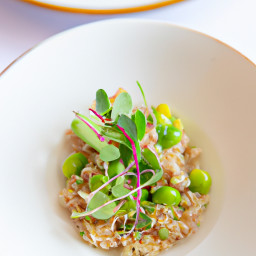
1 cup (185 g) quinoa, rinsed
1 3/4 cups (415 ml) low-sodium vegetable broth or water
1 tablespoon olive oil
1 teaspoon fresh ginger, finely grated
1 small garlic clove, minced
1 1/2 cups (150 g) sugar snap peas, trimmed and thinly sliced on the bias
2 scallions, thinly sliced
1/4 cup (10 g) fresh mint, chopped
1/4 cup (10 g) fresh cilantro, chopped
Zest of 1 lime
2 tablespoons fresh lime juice
1 teaspoon toasted sesame oil (optional)
1/4 cup (25 g) toasted sliced almonds or pepitas
1/2 teaspoon kosher salt, plus more to taste
Freshly ground black pepper, to taste
Combine rinsed quinoa and broth in a saucepan. Bring to a boil, reduce to a gentle simmer, cover, and cook 15 minutes. Remove from heat and rest, covered, 5 minutes; fluff with a fork.
While quinoa cooks, toast the almonds or pepitas in a dry skillet over medium heat until fragrant, 3–4 minutes; set aside. Prep the snap peas, herbs, scallions, and lime.
In the same skillet, warm olive oil over medium heat. Add ginger and garlic; cook until fragrant, about 30 seconds. Add snap peas and a pinch of salt; sauté 1–2 minutes until crisp-tender. Remove from heat.
In a large bowl, combine quinoa, snap pea mixture, scallions, mint, cilantro, lime zest, lime juice, and sesame oil (if using). Toss to coat. Fold in toasted nuts, then season with salt and black pepper to taste. Add more lime if desired.
Serve warm or at room temperature alongside the bourbon glazed salmon to balance its sweet-savory richness with bright citrus and fresh herbs.

2 Persian cucumbers, thinly sliced (about 250 g)
1 small fennel bulb, shaved thin; fronds reserved (about 150 g)
1 small green (unripe) mango, peeled and julienned (about 120 g) or tart green apple
1/4 cup (30 g) very thinly sliced red onion or shallot, briefly rinsed in cold water
1/2 cup loosely packed cilantro leaves and tender stems
1/4 cup fresh mint leaves, torn
1 small green chili, very thinly sliced (optional, to taste)
2 tbsp unsweetened coconut flakes, lightly toasted (or 2 tbsp fresh grated coconut)
1 tsp black or yellow mustard seeds, toasted
1 1/2 tbsp kasundi (Bengali mustard) OR 1 tbsp Dijon mustard + 1/4 tsp ground mustard
3 tbsp fresh lime juice
1 1/2 tbsp mustard oil (or 1 tbsp neutral oil + 1/2 tbsp mustard oil)
1 tsp honey or finely grated jaggery
1/2 tsp fine sea salt, plus more to taste
1/4 tsp freshly ground black pepper
Place the cucumbers, shaved fennel, julienned green mango, and rinsed onion in a large bowl. Add cilantro, mint, and green chili if using. Keep chilled while you make the dressing.
In a small bowl, whisk together kasundi (or Dijon + ground mustard), lime juice, mustard oil, honey/jaggery, salt, and black pepper until smooth and emulsified.
Pour the dressing over the salad and toss gently to coat. Let stand 5 minutes to lightly soften and meld flavors without losing crunch.
Toast the mustard seeds in a dry skillet over medium heat until they begin to pop and smell nutty, 1–2 minutes; cool briefly.
Just before serving, sprinkle the salad with toasted coconut and toasted mustard seeds. Taste and adjust salt, lime, or honey to balance. Serve chilled or cool alongside the Chingri Malai Curry to cut richness and refresh the palate.

Crust:
2 cups graham cracker crumbs (about 16 full sheets)
2 tablespoons granulated sugar
1/4 teaspoon fine salt
10 tablespoons unsalted butter, melted
Filling:
24 ounces cream cheese, room temperature (3 blocks)
3/4 cup granulated sugar
1/2 cup sour cream, room temperature
2 large eggs, room temperature
2 teaspoons pure vanilla extract
1 tablespoon cornstarch (optional, for smoother slices)
1 cup mini semisweet chocolate chips, plus 2 tablespoons for topping
1/8 teaspoon fine salt
Optional Drizzle:
1/2 cup semisweet chocolate chips
2 tablespoons heavy cream (or 1 teaspoon neutral oil)
Prep: Preheat oven to 325°F. Line a 9x13-inch baking pan with parchment paper, leaving overhang on the long sides for easy lifting.
Make the crust: In a bowl, mix graham cracker crumbs, sugar, and salt. Stir in melted butter until evenly moistened. Press firmly into the prepared pan. Bake 8 minutes, then cool while you make the filling.
Make the filling: Beat cream cheese on medium speed until completely smooth, about 1–2 minutes. Add sugar and beat until creamy. Mix in sour cream, vanilla, and salt. Beat in eggs one at a time just until combined. Add cornstarch (if using) and mix briefly. Fold in 1 cup mini chocolate chips.
Assemble: Pour filling over the crust and smooth the top. Tap the pan gently on the counter to release air bubbles. Sprinkle remaining 2 tablespoons mini chocolate chips on top.
Bake: Bake at 325°F for 28–35 minutes, or until the edges are set and the center still has a slight jiggle. Turn off the oven, crack the door, and let the pan sit inside for 10 minutes to help prevent cracking.
Cool and chill: Transfer to a rack and cool to room temperature, about 1 hour. Refrigerate at least 3 hours (or overnight) until fully set.
Optional drizzle: In a microwave-safe bowl, heat the 1/2 cup chocolate chips with cream (or oil) in 20-second bursts, stirring until smooth. Drizzle over chilled bars.
Serve: Lift bars out using the parchment, slice with a sharp knife (wipe between cuts for clean slices), and serve. Store covered in the refrigerator up to 5 days or freeze up to 2 months.

2 tablespoons extra-virgin olive oil, plus more for finishing
1 medium fennel bulb, cored and thinly sliced (fronds reserved for garnish)
1 leek, white and light green parts thinly sliced and rinsed (or 1 small onion, thinly sliced)
2 cloves garlic, thinly sliced
1/2 teaspoon crushed fennel seeds
1 bay leaf
4 cups low-sodium chicken or vegetable broth
1 cup water
1/4 cup dry white wine (optional)
1 (15-ounce) can cannellini beans, rinsed and drained
1 Parmesan rind (about 2-by-2 inches; optional)
4 cups chopped escarole (about 1/2 medium head) or 3 cups baby spinach
1 teaspoon finely grated lemon zest
2 tablespoons fresh lemon juice, or to taste
2 tablespoons chopped fresh flat-leaf parsley
Kosher salt and freshly ground black pepper, to taste
Warm the olive oil in a medium pot over medium heat. Add the sliced fennel and leek with a pinch of salt and cook, stirring occasionally, until tender and translucent but not browned, 7 to 9 minutes.
Stir in the garlic and crushed fennel seeds; cook until fragrant, about 30 seconds.
If using, pour in the white wine and simmer 1 minute to reduce slightly, scraping up any fond.
Add the broth, water, bay leaf, and Parmesan rind (if using). Bring to a gentle simmer and cook 10 minutes to infuse.
Stir in the cannellini beans and simmer 5 minutes more to warm through.
Add the escarole and cook until just wilted and tender, 2 to 3 minutes.
Remove and discard the bay leaf and Parmesan rind. Stir in the lemon zest, lemon juice, and parsley. Season to taste with salt and plenty of freshly ground black pepper.
Ladle into warm bowls, drizzle with a few drops of olive oil, and garnish with reserved fennel fronds if desired. Serve alongside the entrée.

1 cup coarse yellow cornmeal (polenta)
4 cups water
1 cup whole milk (or additional water)
2 tablespoons unsalted butter
3/4 cup finely grated Parmigiano-Reggiano
Zest of 1 lemon
4 scallions, trimmed
1 tablespoon extra-virgin olive oil, plus more for drizzling
Kosher salt and freshly ground black pepper
Char the scallions: Toss scallions with 1 tablespoon olive oil and a pinch of salt. Broil on a sheet pan or sear in a hot skillet until blistered and tender, 3–5 minutes. Chop into bite-size pieces and set aside.
Start the polenta: In a medium saucepan, bring the water and milk to a gentle simmer with 1 teaspoon salt. While whisking, rain in the polenta to prevent lumps.
Cook until creamy: Reduce heat to low and simmer gently, stirring often with a wooden spoon, until thick, smooth, and creamy, 20–30 minutes. If it becomes too thick, whisk in hot water a splash at a time to loosen.
Finish: Off heat, stir in butter, Parmesan, and lemon zest. Season to taste with salt and black pepper. Adjust consistency with a bit more hot water if needed—the polenta should be softly spoonable.
Serve: Spoon polenta into a warmed dish, top with the chopped charred scallions, and drizzle with a little olive oil. Serve alongside the braised ribs, or as a bed to catch the tomato-red wine sauce.

4 cups frisée, torn into bite-size pieces
2 cups arugula
1 cup watercress sprigs
1 small fennel bulb, cored and shaved paper-thin
4 radishes, thinly sliced
1/4 cup toasted walnuts, roughly chopped
1/4 cup cornichons, finely chopped
1 small shallot, minced
2 tablespoons red wine vinegar
1 tablespoon fresh lemon juice
1 teaspoon lemon zest
1 tablespoon Dijon mustard
1 teaspoon whole-grain mustard
1 teaspoon honey
1/3 cup extra-virgin olive oil
Sea salt and freshly ground black pepper
In a small bowl, whisk the shallot, red wine vinegar, lemon juice, lemon zest, Dijon, whole-grain mustard, honey, 1/2 teaspoon salt, and several grinds of black pepper. Let sit 5 minutes to mellow the shallot.
Slowly whisk in the olive oil until the vinaigrette is emulsified. Taste and adjust seasoning for a bright, tangy balance.
In a large bowl, combine frisée, arugula, watercress, shaved fennel, radishes, and walnuts.
Add the chopped cornichons and drizzle over about half the vinaigrette. Toss gently to coat, adding more dressing as needed. Season to taste with salt, pepper, or a squeeze more lemon for lift.
Serve immediately alongside the steak frites so the crisp, peppery greens and sharp vinaigrette cut the richness of the ribeye and fries.

For the cake:
2 1/2 cups all-purpose flour, plus 1 tbsp for cranberries
2 tsp baking powder
1/2 tsp baking soda
1/2 tsp fine salt
1 cup (2 sticks) unsalted butter, softened
1 1/2 cups granulated sugar
4 large eggs, room temperature
2 tbsp finely grated orange zest (from 2–3 oranges)
1/4 cup fresh orange juice
1 cup sour cream (or full-fat Greek yogurt), room temperature
2 tsp pure vanilla extract
2 cups fresh or frozen cranberries (do not thaw if frozen)
Optional: 1/2 cup chopped pecans or walnuts
For the orange glaze:
1 cup powdered sugar
2–3 tbsp fresh orange juice (as needed for consistency)
1 tsp finely grated orange zest
Pinch of salt
Prep: Preheat oven to 350°F (175°C). Generously grease and flour a 10–12 cup bundt pan (or use baking spray with flour).
Mix dry ingredients: In a medium bowl, whisk 2 1/2 cups flour, baking powder, baking soda, and salt.
Cream butter and sugar: In a large bowl with a hand or stand mixer, beat butter and granulated sugar on medium-high until light and fluffy, 2–3 minutes. Scrape bowl.
Add eggs and flavor: Beat in eggs one at a time until incorporated. Mix in orange zest and vanilla.
Combine wet and dry: On low speed, mix in half of the dry ingredients. Add sour cream and orange juice, then the remaining dry ingredients; mix just until combined (do not overmix).
Fold in fruit: Toss cranberries (and nuts, if using) with 1 tbsp flour. Fold into batter with a spatula.
Bake: Spoon batter into prepared pan and smooth the top. Bake 50–60 minutes, until a toothpick inserted near the center comes out clean or with a few moist crumbs.
Cool: Let cake cool in pan 15 minutes, then invert onto a wire rack and cool completely.
Make glaze: Whisk powdered sugar, orange juice, zest, and a pinch of salt until smooth and pourable (add a few drops more juice if needed).
Finish and serve: Drizzle glaze over the cooled cake. Let set 10 minutes, slice, and serve. Store covered at room temperature up to 3 days (or refrigerate up to 5 days).

Leeks, 2 large, trimmed, halved lengthwise, thoroughly cleaned
Olive oil, 2 tablespoons, plus more for finishing
Unsalted butter, 1 tablespoon (optional)
Garlic, 2 cloves, thinly sliced
Dry white wine, 1/3 cup (or dry sherry)
Low-sodium chicken or vegetable stock, 4 cups
Cannellini beans, 1 can (15 oz), drained and rinsed
Fresh thyme, 4 sprigs, plus extra leaves for garnish
Bay leaf, 1
Parmesan rind, 1 small piece (optional)
Lemon zest, 1 teaspoon, finely grated
Fresh lemon juice, 1 tablespoon, plus more to taste
Kosher salt, to taste
Freshly ground black pepper, to taste
Chives, 1 tablespoon, thinly sliced (garnish)
Char the leeks: Heat a dry skillet or grill pan over medium-high. Brush the cut sides of the leeks with a little olive oil and cook cut-side down until deeply browned in spots, 3–4 minutes. Let cool slightly, then slice crosswise into 1/2-inch pieces.
Build the base: In a medium pot, warm the olive oil and butter (if using) over medium heat. Add the leeks with a pinch of salt and cook, stirring, until softened and sweet, 5–6 minutes. Stir in the garlic and cook 30–60 seconds until fragrant.
Deglaze: Pour in the wine and simmer, scraping up any browned bits, until reduced by about half, 1–2 minutes.
Simmer: Add the stock, cannellini beans, thyme sprigs, bay leaf, and Parmesan rind (if using). Bring to a gentle simmer and cook 12–15 minutes to marry flavors.
Blend partially: Remove and discard thyme sprigs, bay leaf, and rind. Scoop out about 1 cup of the soup and puree until smooth, then return to the pot (or briefly pulse with an immersion blender) to create a lightly creamy body while keeping it brothy.
Finish: Stir in the lemon zest and juice. Season to taste with salt and black pepper, adjusting acidity with a splash more lemon if desired.
Serve: Ladle into warm bowls. Garnish with chives and a few fresh thyme leaves, plus a light drizzle of olive oil.

1 lb asparagus, woody ends trimmed
2 medium shallots, thinly sliced into rings
2 tablespoons olive oil
1 teaspoon cornstarch (optional, for extra-crispy shallots)
1 teaspoon lemon zest
1 tablespoon fresh lemon juice
1/4 cup freshly grated or shaved Parmesan
1/4 teaspoon red pepper flakes (optional)
Kosher salt and freshly ground black pepper
Lemon wedges, for serving
Preheat oven to 425°F (220°C). Line a large baking sheet with parchment for easy cleanup.
In a bowl, toss the shallot rings with 1 teaspoon olive oil, the cornstarch (if using), and a pinch of salt until lightly coated. Spread on one side of the baking sheet.
Toss the asparagus with the remaining olive oil, a generous pinch of salt, black pepper, and red pepper flakes (if using). Arrange on the other side of the baking sheet in a single layer.
Roast for 12–15 minutes, tossing halfway, until the asparagus is tender with lightly charred tips and the shallots are golden and crisp.
Immediately toss the hot asparagus with lemon zest and lemon juice. Transfer to a platter, scatter the crispy shallots over the top, and finish with Parmesan. Adjust seasoning to taste and serve with lemon wedges.

1 cup orzo pasta
1 tablespoon unsalted butter
1 tablespoon extra-virgin olive oil
1 small shallot, finely minced
1 garlic clove, minced
2 cups low-sodium chicken broth (or water)
1 cup frozen peas, thawed
1 teaspoon finely grated lemon zest
1/3 cup finely grated Parmesan cheese
2 tablespoons chopped fresh mint
1 tablespoon chopped fresh parsley
Freshly ground black pepper, to taste
Kosher salt, to taste
2 tablespoons toasted sliced almonds (optional, for crunch)
In a medium saucepan over medium heat, melt the butter with the olive oil. Add the orzo and cook, stirring, until lightly toasted and golden in spots, 2–3 minutes.
Stir in the shallot and garlic; cook 1 minute until fragrant without browning.
Pour in the broth, bring to a simmer, then reduce heat to medium-low. Cook, stirring occasionally, until the orzo is al dente and most of the liquid is absorbed, 8–10 minutes.
Stir in the peas and cook 1–2 minutes more until heated through and the orzo is glossy; add a splash of hot water or broth if it looks dry.
Off the heat, fold in the lemon zest, Parmesan, mint, and parsley. Season with black pepper and salt to taste.
Top with toasted almonds if using and serve warm alongside chicken piccata to catch the pan sauce.

1 small fennel bulb, very thinly shaved (reserve fronds)
2 cups baby watercress, loosely packed
1 cup English cucumber, thinly sliced or ribboned
6 radishes, thinly sliced
1 large orange, segmented (reserve any juice)
2 tablespoons fresh dill, chopped
2 tablespoons chives, snipped
1/3 cup toasted pistachios, roughly chopped
2 tablespoons fresh orange juice
1 tablespoon fresh lemon juice
1 teaspoon finely grated orange zest
1 tablespoon champagne or white wine vinegar
1 teaspoon Dijon mustard
1 teaspoon honey
1 tablespoon capers, rinsed and chopped
3 tablespoons extra-virgin olive oil
Sea salt and freshly ground black pepper
Shave the fennel as thinly as possible with a mandoline or sharp knife; reserve some fronds for garnish. Slice the cucumber and radishes; segment the orange over a bowl to catch any juices.
Make the vinaigrette: In a small bowl, whisk together orange juice, lemon juice, orange zest, vinegar, Dijon, honey, and chopped capers. Season with a pinch of salt and pepper, then slowly whisk in the olive oil until emulsified.
In a large bowl, combine shaved fennel, watercress, cucumber, radishes, chopped dill, chives, and orange segments.
Drizzle with enough vinaigrette to lightly coat and toss gently to keep the greens crisp.
Transfer to a serving platter, scatter pistachios and reserved fennel fronds over the top, and finish with a few grinds of black pepper. Serve immediately alongside the sea bass with lemon-infused leeks.
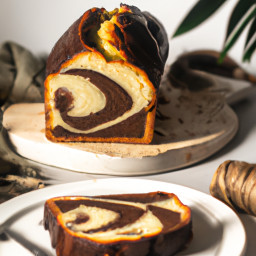
For the cake:
1 3/4 cups all-purpose flour
2 teaspoons baking powder
1/2 teaspoon fine salt
1/2 cup unsalted butter, softened
1 cup granulated sugar
2 large eggs, at room temperature
1 teaspoon vanilla extract
3/4 cup whole milk, at room temperature
For the chocolate swirl:
3 tablespoons unsweetened cocoa powder
2 tablespoons milk
1 tablespoon granulated sugar
For the chocolate glaze:
1 cup powdered sugar
2 tablespoons unsweetened cocoa powder
2 tablespoons milk, plus more as needed
1 tablespoon unsalted butter, melted
1/2 teaspoon vanilla extract
Pinch of salt
Preheat oven to 350°F (175°C). Grease a 9x5-inch loaf pan and line the long side with a parchment sling for easy removal.
Whisk the flour, baking powder, and salt together in a medium bowl.
In a large bowl, beat the softened butter and granulated sugar with a hand mixer until pale and fluffy, 2 to 3 minutes. Beat in the eggs one at a time, then mix in the vanilla.
Add half of the dry ingredients to the butter mixture and mix on low just to combine. Pour in the milk and mix again. Add the remaining dry ingredients and mix just until smooth; do not overmix.
Make the chocolate batter: Transfer about 1 1/2 cups of the vanilla batter to a separate bowl. Stir in the cocoa powder, 2 tablespoons milk, and 1 tablespoon sugar until smooth.
Marble the batters: Spoon large dollops of vanilla batter into the prepared pan, alternating with dollops of chocolate batter. Repeat with remaining batter. Use a butter knife to gently swirl through the batter 3 to 4 times for a marbled effect (do not over-swirl).
Bake 50 to 60 minutes, until a toothpick inserted in the center comes out clean or with a few moist crumbs. If the top is browning too quickly, tent loosely with foil during the last 10 to 15 minutes.
Cool in the pan for 15 minutes, then lift out using the parchment and cool completely on a wire rack.
Make the glaze: In a small bowl, whisk powdered sugar, cocoa powder, milk, melted butter, vanilla, and a pinch of salt until smooth and pourable. If needed, add milk 1 teaspoon at a time to thin, or a bit more powdered sugar to thicken.
Drizzle the glaze over the cooled loaf. Let set for 15 minutes, then slice and serve.

1 lb celery root (celeriac), peeled and cut into 1-inch cubes
12 oz parsnips, peeled and cut into 1-inch pieces
1 medium Yukon Gold potato, peeled and cut into 1-inch cubes
4 tbsp unsalted butter
1/2 cup whole milk
1/4 cup heavy cream
1 small garlic clove, smashed
1 bay leaf
1 tsp finely grated lemon zest
1 tbsp fresh lemon juice, plus more to taste
Kosher salt, to taste
Freshly ground white pepper, to taste
Pinch of freshly grated nutmeg (optional)
2 tbsp finely chopped fresh chives
Place celery root, parsnips, and potato in a medium pot and cover with cold salted water by about 1 inch. Add the garlic and bay leaf. Bring to a boil, then reduce to a gentle simmer and cook until the vegetables are very tender, 18–22 minutes.
Meanwhile, brown the butter: melt the butter in a small saucepan over medium heat, swirling occasionally, until the milk solids turn deep golden and smell nutty, 4–6 minutes. Immediately pour into a heatproof bowl to stop the cooking.
Warm the milk and cream together in a small saucepan (or microwave) until steaming but not boiling.
Drain the vegetables well; discard the bay leaf and garlic. Return the vegetables to the hot pot and let steam-dry over low heat for 1–2 minutes, stirring, to evaporate excess moisture.
Pass the vegetables through a ricer or mash until very smooth. Alternatively, blend with an immersion blender. Gradually add the warm milk-cream mixture until silky. Stir in most of the brown butter (reserve a teaspoon or two for finishing), the lemon zest, and 1 tbsp lemon juice. Season with salt and white pepper to taste; add a pinch of nutmeg if using.
Adjust consistency with a splash more warm milk if needed. Taste and balance with additional salt or lemon juice until bright and well-seasoned.
Transfer to a warm serving bowl. Drizzle with the reserved brown butter and sprinkle with chives. Serve alongside Duck à l’Orange.

1 cup pearled farro, rinsed
3 cups water or low-sodium chicken broth
1 bunch broccolini (about 8 oz), ends trimmed
1 small shallot, minced (optional)
1 small garlic clove, thinly sliced
1 lemon (zest plus 2 tablespoons juice)
1/3 cup freshly grated Parmesan, plus more for serving
1/4 cup sliced almonds, toasted
3 tablespoons extra-virgin olive oil, divided
1/4 teaspoon red pepper flakes (optional)
Kosher salt and freshly ground black pepper
2 tablespoons chopped flat-leaf parsley
Cook the farro: In a medium pot, combine farro, water or broth, and 1 teaspoon salt. Bring to a boil, then reduce to a lively simmer and cook until al dente, 20–25 minutes. Drain well, return to the warm pot, and toss with 1 tablespoon olive oil, half the lemon zest, and 1 tablespoon lemon juice. Season with pepper; cover to keep warm.
Char the broccolini: Heat 2 tablespoons olive oil in a large skillet over medium-high until shimmering. Add broccolini, season with a pinch of salt and pepper, and cook undisturbed 2–3 minutes to blister. Toss and continue cooking until tender-crisp with charred spots, 3–4 minutes more. Push broccolini to one side, add shallot and garlic to the empty side, and cook 30–60 seconds until fragrant. Add red pepper flakes (if using) and the remaining 1 tablespoon lemon juice; scrape up any browned bits.
Combine: Transfer the broccolini mixture to the pot with farro. Fold in Parmesan, toasted almonds, parsley, and the remaining lemon zest. If needed, loosen with a splash of warm water or broth. Taste and adjust salt, pepper, and lemon.
Serve: Spoon warm farro and broccolini alongside the main, finishing with extra Parmesan and a light drizzle of olive oil.

3 cups chopped crisp romaine or iceberg lettuce
2 cups thinly sliced celery (include some tender leaves)
1 large Granny Smith apple, cut into matchsticks
1 cup thinly sliced English cucumber
1/2 cup thinly sliced radishes
1/2 cup crumbled blue cheese
2 tablespoons chopped fresh dill
1 tablespoon minced chives
1/3 cup cold buttermilk
1/4 cup plain Greek yogurt (or sour cream)
1 tablespoon mayonnaise
1 tablespoon fresh lemon juice
1 teaspoon white wine vinegar
1/2 teaspoon Dijon mustard
1/2 teaspoon honey
1 small garlic clove, finely grated
1/4 teaspoon celery seed (optional)
1/2 teaspoon kosher salt, plus more to taste
1/4 teaspoon freshly ground black pepper
In a bowl, whisk together buttermilk, yogurt, mayonnaise, lemon juice, white wine vinegar, Dijon, honey, garlic, celery seed (if using), salt, and pepper until smooth. Chill 10 minutes.
Combine lettuce, celery, apple, cucumber, radishes, dill, and chives in a large bowl.
Drizzle about 3/4 of the dressing over the salad and toss gently to coat. Taste and adjust seasoning.
Top with crumbled blue cheese and a few grinds of black pepper; add more dressing if desired.
Serve cold alongside hot Buffalo wings to balance heat with crisp, cool creaminess.
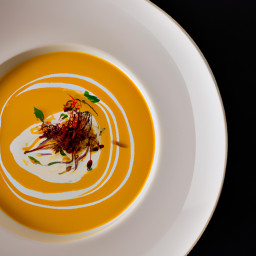
1 tablespoon olive oil
1 small onion, finely chopped
2 garlic cloves, thinly sliced
1 pound carrots, peeled and sliced
1/2 teaspoon cumin seeds, lightly crushed
1/4 teaspoon ground coriander
1/8 teaspoon ground cinnamon
1/8 teaspoon ground turmeric
Pinch of saffron threads (about 10), soaked in 2 tablespoons hot water
3 cups low-sodium chicken or vegetable broth
1 tablespoon finely chopped preserved lemon peel, rinsed (optional but recommended)
1/2 cup fresh orange juice
1 teaspoon orange zest
2 tablespoons plain Greek yogurt
1 tablespoon finely chopped fresh mint, plus extra for garnish
1 teaspoon honey, or to taste
Kosher salt and freshly ground black pepper
Sumac or Aleppo pepper, for garnish (optional)
Extra-virgin olive oil, for finishing (optional)
Bloom the saffron by combining the threads with 2 tablespoons of hot water; set aside.
Warm the olive oil in a pot over medium heat. Add onion and a pinch of salt; cook until translucent, 4–5 minutes. Stir in garlic and cook 30 seconds.
Add cumin seeds, coriander, cinnamon, and turmeric; toast 30–45 seconds until fragrant.
Stir in carrots, broth, and preserved lemon (if using). Bring to a simmer, cover, and cook until carrots are very tender, 18–20 minutes.
Blend the soup with the saffron infusion, orange juice, and orange zest until silky smooth (use a blender or immersion blender). Return to the pot; season with salt, pepper, and honey to balance. Adjust consistency with a splash of water or broth if needed.
In a small bowl, mix yogurt with chopped mint and a teaspoon of water to make a drizzle; season with a pinch of salt.
Ladle the soup into warm bowls. Swirl with minted yogurt, sprinkle a little sumac or Aleppo pepper, garnish with extra mint, and finish with a few drops of olive oil if desired.

2 lb baby Yukon Gold potatoes, halved
1/2 tsp baking soda
2 tsp kosher salt, divided
3 tbsp extra-virgin olive oil
2 tbsp unsalted butter, melted
4 garlic cloves, thinly sliced
2 tsp fresh rosemary, finely chopped
1 tsp fresh thyme leaves
1 lemon, zested and juiced
Freshly ground black pepper
1 tbsp chopped flat-leaf parsley
Flaky salt (optional)
Place a rimmed baking sheet on the middle rack and preheat the oven to 425°F/220°C so the pan gets hot.
Add potatoes to a pot and cover with cold water by 1 inch. Stir in baking soda and 1 tsp kosher salt. Bring to a boil, then simmer 8–10 minutes until the edges are just tender. Drain and let the steam escape for 1–2 minutes.
In a large bowl, combine olive oil, melted butter, rosemary, thyme, lemon zest, remaining 1 tsp kosher salt, and several grinds of black pepper. Add the drained potatoes and toss vigorously to rough up the surfaces for extra crispness. Reserve the garlic for later.
Carefully spread the potatoes on the preheated baking sheet in a single layer. Roast 20 minutes.
Flip the potatoes, then scatter the garlic slices over them. Roast another 10–15 minutes until the potatoes are deeply golden and the garlic is lightly crisp.
Transfer to a bowl, toss with lemon juice and parsley, and adjust seasoning. Finish with a pinch of flaky salt if desired and serve alongside the lamb and mint sauce.

5 oz (140 g) baby arugula
1 small fennel bulb, cored and very thinly sliced (about 2 cups)
6 radishes, thinly sliced
1/3 cup (40 g) shelled pistachios, toasted and roughly chopped
8–10 fresh mint leaves, torn
1 lemon, zested and juiced (about 2 tbsp / 30 ml juice)
1 tsp Dijon mustard
1 tsp honey (or maple syrup)
1/3 cup (80 ml) extra-virgin olive oil
Kosher salt and freshly ground black pepper
Toast pistachios in a dry skillet over medium heat until fragrant and lightly golden, 3–4 minutes; cool and roughly chop.
In a small bowl, whisk lemon juice, zest, Dijon, honey, a pinch of salt, and a few grinds of pepper. Slowly stream in olive oil while whisking until emulsified. Adjust seasoning to taste.
In a large bowl, combine arugula, sliced fennel, radishes, and mint. Drizzle with just enough vinaigrette to lightly coat and toss gently.
Top with chopped pistachios and serve immediately alongside the Pasta Primavera for bright, crunchy contrast.

1 small head radicchio, cored and torn
3 cups baby arugula
1 large fennel bulb, thinly sliced (fronds reserved)
1 large orange, segmented, plus 1 teaspoon zest
1 small shallot, very thinly sliced
1/3 cup toasted hazelnuts, roughly chopped
2 tablespoons extra-virgin olive oil, plus 1 teaspoon for charring
1 tablespoon sherry vinegar
1 teaspoon Dijon mustard
1/2 teaspoon honey
1/2 teaspoon very finely chopped fresh rosemary
Kosher salt and freshly ground black pepper
Toss half of the sliced fennel with 1 teaspoon olive oil and a pinch of salt. Sear in a very hot skillet until lightly charred at the edges, 2–3 minutes; let cool. Keep the remaining fennel raw for crunch.
Whisk together 2 tablespoons olive oil, sherry vinegar, Dijon, honey, chopped rosemary, orange zest, 1/4 teaspoon salt, and several grinds of black pepper. Stir in the sliced shallot and let it soften in the vinaigrette for 5 minutes.
In a large bowl, combine radicchio, arugula, the raw and charred fennel, and orange segments. Add the vinaigrette with shallot and toss to coat.
Fold in hazelnuts, taste, and adjust seasoning. Garnish with reserved fennel fronds and serve.

2 cups all-purpose flour
1/4 cup packed light brown sugar
1 tablespoon baking powder
1/2 teaspoon fine sea salt
2 teaspoons pumpkin pie spice
1/2 cup (1 stick) cold unsalted butter, cut into small cubes
1/2 cup pumpkin puree (not pie filling)
1/3 cup heavy cream (plus 1 tablespoon for brushing)
1 large egg
1 teaspoon vanilla extract
Coarse sugar for topping (optional)
Glaze: 1 cup powdered sugar
Glaze: 3 tablespoons pure maple syrup
Glaze: 1–2 teaspoons milk
Glaze: 1/4 teaspoon maple extract (optional)
Glaze: Pinch of salt
Preheat oven to 400°F (200°C). Line a baking sheet with parchment paper.
Whisk flour, brown sugar, baking powder, salt, and pumpkin pie spice in a large bowl.
Cut in the cold butter with a pastry cutter or your fingertips until the mixture resembles coarse crumbs with pea-sized bits of butter.
In a separate bowl, whisk pumpkin puree, heavy cream, egg, and vanilla until smooth.
Pour wet ingredients into dry and fold just until the dough comes together. If very sticky, lightly dust with flour.
Turn dough onto a lightly floured surface and pat into a 7-inch round about 1 inch thick. Cut into 8 wedges and transfer to the prepared sheet, spacing apart.
Brush tops with the extra tablespoon of cream and sprinkle with coarse sugar if using.
Bake 15–18 minutes, until set and lightly golden at the edges. Cool on the sheet 10 minutes, then transfer to a rack.
For the glaze, whisk powdered sugar, maple syrup, 1 teaspoon milk, maple extract (if using), and a pinch of salt. Add more milk, a few drops at a time, to reach a thick drizzle.
Drizzle glaze over warm scones. Let set 10 minutes before serving.

1 teaspoon olive oil
1 medium fennel bulb, cored and thinly sliced (reserve fronds for garnish)
2 lemongrass stalks, trimmed, outer layer removed, bruised and cut into 3-inch pieces
1-inch piece fresh ginger, thinly sliced
1 small shallot, thinly sliced
1 small celery stalk, thinly sliced
6 cilantro stems, bruised
2 makrut lime leaves (optional)
6 whole white peppercorns
6 cups water or unsalted vegetable stock
1 to 1 1/4 teaspoons kosher salt, to taste
1/2 teaspoon fish sauce or light soy sauce (optional)
1 to 2 teaspoons fresh lime juice, to taste
1/2 cup sugar snap peas, thinly sliced on the bias
1/2 small zucchini, very thinly shaved or julienned
Fennel fronds and cilantro leaves, for garnish
Finely grated lime zest, for garnish
Warm the olive oil in a medium pot over medium heat. Add the sliced fennel, shallot, and celery; sweat until translucent and aromatic, 3 to 4 minutes, without browning.
Stir in the lemongrass, ginger, cilantro stems, makrut lime leaves (if using), and white peppercorns. Pour in the water or unsalted vegetable stock and bring just to a simmer.
Reduce heat to low, partially cover, and gently simmer for 25 to 30 minutes to infuse.
Strain the broth through a fine-mesh sieve into a clean pot, pressing lightly on the solids; discard solids.
Season the clear broth with salt. Add the fish sauce or light soy sauce if using, then brighten with lime juice to taste.
Return the broth to a gentle simmer. Add the snap peas and zucchini; cook just until crisp-tender, about 1 minute.
Ladle into warm bowls and garnish with fennel fronds, cilantro leaves, and a whisper of lime zest. Serve hot alongside the grilled snapper with citrus salsa.

3 cups thinly shredded green cabbage
1 cup thinly shredded red cabbage (or 1 large carrot, julienned)
1 cup corn kernels (fresh or thawed frozen)
1 teaspoon olive or neutral oil (for charring corn)
1/2 cup finely diced dill pickles
2 tablespoons pickle brine (from the jar)
1/4 cup mayonnaise
1/4 cup plain Greek yogurt (or sour cream)
1 tablespoon Dijon mustard
1 tablespoon lemon juice or apple cider vinegar
1 teaspoon honey
2 tablespoons chopped fresh dill
1/4 teaspoon celery seed
1/4 teaspoon smoked paprika
Pinch cayenne pepper (optional)
1 small scallion, thinly sliced
1/2 teaspoon kosher salt, plus more to taste
1/4 teaspoon freshly ground black pepper
Heat a skillet over medium-high. Add oil and corn; cook, stirring occasionally, until lightly charred in spots, 3 to 5 minutes. Transfer to a plate to cool.
In a large bowl, whisk together mayonnaise, Greek yogurt, Dijon, lemon juice or vinegar, pickle brine, honey, celery seed, smoked paprika, cayenne (if using), salt, and black pepper.
Add green and red cabbage (or carrot), diced pickles, scallion, cooled charred corn, and fresh dill to the bowl. Toss until evenly coated.
Let the slaw rest 10 to 15 minutes to slightly soften and meld flavors. Taste and adjust seasoning with more salt, pepper, brine, or lemon juice as needed.
Serve chilled or at cool room temperature alongside the grilled chicken sandwiches. Refrigerate leftovers up to 2 days.

5 oz (140 g) baby arugula
1 small fennel bulb, cored and very thinly sliced (reserve fronds for garnish)
1 large orange, segmented (save any juices)
2 tbsp small capers, rinsed and drained
1/4 cup (30 g) sliced almonds, toasted
2 tbsp chopped fresh parsley (optional: 1 tbsp chopped fresh dill)
3 tbsp extra-virgin olive oil
2 tbsp fresh lemon juice
1 tsp lemon zest
1 tsp Dijon mustard
1 tsp honey or maple syrup
1/4 tsp kosher salt, plus more to taste
1/4 tsp freshly ground black pepper
Toast the almonds in a dry skillet over medium heat, stirring often, until golden and fragrant, 3–4 minutes. Transfer to a plate to cool.
In a small bowl, whisk together olive oil, lemon juice, lemon zest, Dijon, honey, salt, and pepper until emulsified. If you reserved orange juices from segmenting, whisk in 1–2 teaspoons to taste.
In a large bowl, combine arugula, shaved fennel, orange segments, capers, and parsley (and dill, if using).
Drizzle with the vinaigrette and toss gently to coat. Taste and adjust seasoning with a pinch more salt or lemon juice if desired.
Transfer to a serving dish and top with toasted almonds and a few chopped fennel fronds. Serve immediately.

3 cups baby arugula
1 small fennel bulb, cored and very thinly sliced (reserve fronds)
1 crisp apple (Honeycrisp or Granny Smith), thinly sliced or julienned
4–6 radishes, very thinly sliced
1/2 small English cucumber, thin half-moons
2 tablespoons chopped fennel fronds and parsley (or dill)
1/3 cup toasted almonds or pumpkin seeds
1 lemon, zested and juiced (about 3 tablespoons juice)
1 teaspoon Dijon mustard
1 teaspoon honey or maple syrup
3 tablespoons extra-virgin olive oil
Pinch kosher salt and freshly ground black pepper
Pinch red pepper flakes (optional)
Toast the nuts or seeds in a dry skillet over medium heat until fragrant and lightly golden, 3–4 minutes; let cool.
In a small bowl or jar, whisk the lemon juice, lemon zest, Dijon, honey, salt, pepper, and red pepper flakes. Slowly whisk in the olive oil until emulsified; adjust seasoning to taste.
Optional for extra crunch: Soak the sliced fennel and radishes in ice water for 5 minutes, then drain and pat dry.
In a large bowl, combine arugula, fennel, apple, radishes, cucumber, and herbs. Add about two-thirds of the dressing and half the nuts; toss gently to coat.
Top with remaining nuts and a few fennel fronds. Add more dressing if needed and serve immediately alongside the warm sandwich to balance its richness and saltiness.

1/2 cup (1 stick) unsalted butter, melted and slightly cooled
3/4 cup granulated sugar
1/4 cup packed light brown sugar
2 large eggs, at room temperature
1 teaspoon vanilla extract
1/3 cup unsweetened cocoa powder
1/2 teaspoon kosher salt
3/4 cup all-purpose flour
1/2 cup semi-sweet chocolate chips (optional)
8 ounces cream cheese, softened
1/4 cup granulated sugar (for cheesecake layer)
1 large egg yolk
1 teaspoon vanilla extract (for cheesecake layer)
2 tablespoons sour cream or plain Greek yogurt
Preheat oven to 350°F (175°C). Line an 8-inch square baking pan with parchment paper, leaving an overhang for easy removal.
Make the brownie batter: In a medium bowl, whisk the melted butter, 3/4 cup granulated sugar, and brown sugar until combined. Whisk in the eggs and 1 teaspoon vanilla for about 30–60 seconds until glossy.
Add cocoa powder and salt; whisk to combine. Use a spatula to fold in the flour just until no dry streaks remain. Fold in chocolate chips, if using. Reserve about 1/3 cup of the batter for swirling.
Spread the remaining brownie batter evenly in the prepared pan.
Make the cheesecake mixture: In a separate bowl, beat the cream cheese and 1/4 cup granulated sugar until smooth and creamy, about 1–2 minutes. Beat in the egg yolk, 1 teaspoon vanilla (for the cheesecake layer), and sour cream until silky.
Dollop the cheesecake mixture evenly over the brownie batter. Spoon the reserved brownie batter in small dollops between the cheesecake dollops. Use a butter knife or skewer to gently swirl, creating a marbled pattern (avoid over-mixing).
Bake for 28–33 minutes, until the edges are set and the center is just slightly jiggly. A toothpick inserted 2 inches from the edge should come out with a few moist crumbs, not wet batter.
Cool the pan on a wire rack for 1 hour, then refrigerate for at least 1 hour before slicing for clean cuts. Lift out using the parchment and cut into squares. Store covered in the refrigerator for up to 4 days or freeze up to 2 months.

1 kg baby Yukon gold or red potatoes (about 2.2 lb)
1 tablespoon kosher salt, for boiling water
120 ml buttermilk (1/2 cup)
60 g plain Greek yogurt or mayonnaise (1/4 cup)
45 ml dill pickle brine (3 tablespoons), plus extra to taste
30 ml whole-grain mustard (2 tablespoons)
5 ml Dijon mustard (1 teaspoon)
15 ml apple cider vinegar (1 tablespoon)
5 ml honey or sugar (1 teaspoon)
1/2 teaspoon celery seed
1/2 teaspoon fine sea salt, plus more to taste
1/2 teaspoon freshly ground black pepper
75 g finely chopped dill pickles (1/2 cup)
10 g fresh dill fronds, chopped (about 1/4 cup lightly packed)
2 scallions, thinly sliced (about 25 g / 1/3 cup)
1 small rib celery, finely diced (about 40 g / 1/3 cup, optional)
Extra fresh dill and cracked black pepper, to finish
Scrub potatoes and place in a pot; cover with cold water by 2–3 cm (1 inch). Add the kosher salt and bring to a boil. Simmer until just tender when pierced, 12–15 minutes for baby potatoes.
Drain well and return potatoes to the hot pot off heat for 2 minutes to steam-dry.
While potatoes cook, whisk the dressing in a large bowl: buttermilk, yogurt (or mayonnaise), dill pickle brine, whole-grain mustard, Dijon, apple cider vinegar, honey, celery seed, fine sea salt, and black pepper.
Halve or quarter the warm potatoes (bite-size). Add them to the bowl and toss gently so they absorb the dressing while warm.
Fold in chopped dill pickles, fresh dill, scallions, and celery (if using). Taste and adjust with a pinch more salt, extra pickle brine, or vinegar for brightness.
Let sit 20–30 minutes (or chill up to 24 hours) to meld flavors. Before serving, toss again and finish with extra dill and cracked black pepper.
Serve cool or at room temperature alongside the fried chicken to cut richness with tang and crunch.

4 ears fresh corn, husked (or 3 cups thawed frozen corn, patted dry)
1 tbsp neutral oil (canola or vegetable)
1 ripe avocado, diced
1 cup cherry tomatoes, halved
1/3 cup finely chopped red onion
1/4 cup chopped fresh cilantro
1 small jalapeño, seeded and minced (optional)
Zest of 1 lime
2 tbsp fresh lime juice
1 tbsp apple cider vinegar
1 tsp honey (or maple syrup)
1/2 tsp smoked paprika
1/4 tsp ground cumin
1/4 tsp kosher salt, plus more to taste
Freshly ground black pepper, to taste
2 tbsp extra-virgin olive oil
2 tbsp crumbled cotija or feta (optional)
Heat a large skillet (cast iron works best) over medium-high until very hot. Add neutral oil and the corn; cook, stirring every minute, until kernels are charred in spots, 5–7 minutes. Transfer to a sheet pan to cool slightly.
In a small bowl, whisk together lime zest, lime juice, apple cider vinegar, honey, smoked paprika, cumin, 1/4 tsp kosher salt, several grinds of black pepper, and the extra-virgin olive oil until emulsified.
In a large bowl, combine the charred corn, cherry tomatoes, red onion, cilantro, and jalapeño (if using).
Pour the dressing over the vegetables and toss to coat. Let stand 10 minutes for flavors to mingle.
Gently fold in the diced avocado. Taste and adjust salt and pepper as needed.
Top with crumbled cotija or feta (if using) and serve slightly warm or at room temperature alongside the pulled chicken BBQ.

1 large fennel bulb, cored and very thinly shaved (reserve fronds)
1 seedless orange, segmented (plus 2 tbsp juice reserved for dressing)
1 small pink grapefruit, segmented (optional)
1 Persian cucumber, shaved into ribbons
4 radishes, thinly sliced
2 cups baby arugula or watercress
2 tbsp chopped fresh dill
2 tbsp torn fresh mint
1/3 cup pistachios, toasted and roughly chopped
Fine sea salt and freshly ground black pepper
Dressing: 3 tbsp extra-virgin olive oil
Dressing: 1 tbsp Champagne vinegar (or white wine vinegar)
Dressing: 1 tsp Dijon mustard
Dressing: 1 tsp honey
Dressing: 1 tbsp finely minced shallot
Dressing: 1 tsp orange zest
Dressing (optional): 1 tsp capers, rinsed and chopped
Toast the pistachios in a dry skillet over medium heat until fragrant, 3 to 4 minutes. Cool, then roughly chop.
Supreme the orange (and grapefruit, if using), collecting 2 tablespoons of orange juice for the dressing. Set segments aside.
In a large bowl, combine shaved fennel, cucumber ribbons, sliced radishes, arugula, dill, and mint.
Whisk the dressing: olive oil, Champagne vinegar, Dijon, honey, minced shallot, orange zest, reserved orange juice, a pinch of salt, and several grinds of pepper. Stir in capers if using.
Season the salad base lightly with salt and pepper. Drizzle with about two-thirds of the dressing and toss gently to coat.
Fold in half of the pistachios and a few chopped fennel fronds. Plate the salad, nestle the citrus segments on top, and scatter with remaining pistachios and fronds.
Finish with the remaining dressing to taste and serve immediately alongside the halibut.

Cupcakes:
1 3/4 cups (220 g) all-purpose flour
1 1/2 teaspoons baking powder
1/4 teaspoon baking soda
1/2 teaspoon fine salt
1 cup (200 g) granulated sugar
1/2 cup (113 g) unsalted butter, softened
2 large eggs, room temperature
2 teaspoons finely grated lemon zest (about 1–2 lemons)
2 tablespoons fresh lemon juice
1 teaspoon vanilla extract
1/2 cup (120 g) sour cream or plain Greek yogurt, room temperature
1/4 cup (60 ml) milk, room temperature
1 1/4 cups fresh raspberries (about 6 oz)
1 tablespoon all-purpose flour (for tossing berries)
Cream Cheese Frosting:
8 oz (226 g) cream cheese, softened
1/2 cup (113 g) unsalted butter, softened
3 to 3 1/2 cups (360–420 g) powdered sugar, sifted
1 teaspoon vanilla extract
1 tablespoon fresh lemon juice
Pinch of salt
Optional garnish: extra fresh raspberries and lemon zest
Preheat oven to 350°F (175°C). Line a 12-cup muffin tin with paper liners.
Whisk together flour, baking powder, baking soda, and salt in a medium bowl.
In a large bowl, beat the softened butter and granulated sugar on medium speed until light and fluffy, 2–3 minutes.
Beat in eggs one at a time, scraping the bowl as needed. Mix in lemon zest, lemon juice, and vanilla.
Beat in the sour cream until smooth.
Add the dry ingredients in two additions, alternating with the milk, beginning and ending with the dry. Mix on low just until combined; do not overmix.
Toss raspberries with 1 tablespoon flour to help prevent sinking, then gently fold them into the batter.
Divide batter evenly among liners (about 3/4 full).
Bake 18–22 minutes, until the tops spring back and a toothpick comes out with a few moist crumbs.
Cool cupcakes in the pan for 5 minutes, then transfer to a wire rack to cool completely.
For the frosting: Beat cream cheese and butter together on medium speed until smooth and creamy, about 2 minutes.
Gradually add powdered sugar on low speed until incorporated, then add vanilla, lemon juice, and a pinch of salt. Beat on medium-high until fluffy, 1–2 minutes.
Frost cooled cupcakes and garnish with extra raspberries and lemon zest if desired.
Storage: Refrigerate in an airtight container up to 3 days; bring to room temperature 20–30 minutes before serving.

1 tablespoon olive oil
1 medium yellow onion, diced
3 cloves garlic, minced
1 teaspoon ground cumin
1 1/2 teaspoons ancho chile powder
1/4 teaspoon smoked paprika
1 can (28 oz) fire-roasted crushed tomatoes
3 cups low-sodium chicken or vegetable broth
1 teaspoon honey or brown sugar
1 bay leaf
2 tablespoons fresh lime juice, plus more to taste
Kosher salt and freshly ground black pepper, to taste
2 tablespoons chopped fresh cilantro
1/4 cup crema or sour cream, for serving (optional)
Warm the olive oil in a pot over medium heat. Add the diced onion and cook until translucent and lightly golden, 5–7 minutes.
Stir in the garlic, cumin, ancho chile powder, and smoked paprika; cook 30–45 seconds until fragrant.
Add the fire-roasted tomatoes, broth, honey, and bay leaf. Bring to a simmer, then reduce heat and cook gently for 15–20 minutes.
Remove the bay leaf. Blend the soup until smooth with an immersion blender (or carefully in batches in a blender), or leave slightly chunky if preferred.
Return to low heat. Stir in the lime juice and season with salt and black pepper to taste. Adjust lime and salt for a bright, balanced finish.
Fold in the chopped cilantro. Ladle into bowls and swirl with crema or sour cream if using. Serve hot with extra lime on the side.
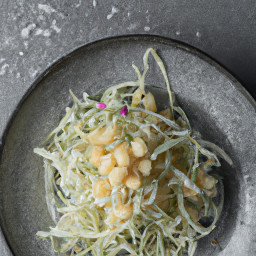
12 oz celery root (celeriac), peeled and 1-inch diced
8 oz Yukon Gold potatoes, peeled and 1-inch diced
1 large garlic clove, smashed
1 bay leaf
1 1/4 tsp kosher salt, divided
4 tbsp unsalted butter, cubed
1/2 cup heavy cream
2 tbsp creme fraiche
1/4 tsp ground white pepper
2 tbsp finely snipped chives
Place celery root, potatoes, garlic, and bay leaf in a medium pot and cover with cold water by about 1 inch. Season the water with 1 tsp kosher salt.
Bring to a boil over medium-high heat, then reduce to a gentle simmer and cook until very tender, 15–20 minutes.
Drain well, discard the bay and garlic, and return the vegetables to the hot pot over low heat for 1–2 minutes to steam off excess moisture.
Meanwhile, warm the butter and cream together in a small saucepan until the butter is melted and the mixture is steaming (do not boil).
Pass the vegetables through a ricer or mash until perfectly smooth. Fold in the hot butter–cream, then add creme fraiche, the remaining 1/4 tsp kosher salt, and white pepper. Stir vigorously with a spatula until silky; adjust seasoning to taste.
If needed, loosen with a splash of warm cream for a spoonable texture. Fold in chives just before serving.
Serve warm alongside the Chateaubriand to contrast its richness with a delicate, aromatic puree.

1.5 lb baby Yukon Gold potatoes (about 680 g)
2 tablespoons kosher salt, divided (for boiling and seasoning)
3 tablespoons extra-virgin olive oil
2 tablespoons prepared horseradish, well drained
1 teaspoon garlic powder
1 teaspoon fresh thyme leaves, chopped
1/2 teaspoon freshly ground black pepper
1/2 cup finely grated Parmesan cheese
Zest of 1/2 lemon
2 tablespoons chopped fresh chives
Heat oven to 450°F (230°C). Line a large rimmed baking sheet with parchment for easier cleanup.
Place potatoes in a pot, cover with cold water by 1 inch, and add 1 tablespoon kosher salt. Bring to a boil and cook until fork-tender, 15–20 minutes. Drain and let steam-dry 2 minutes.
Transfer potatoes to the baking sheet and gently smash each to about 1/2-inch thickness using the bottom of a glass or a potato masher.
In a small bowl, whisk olive oil, horseradish, garlic powder, thyme, 1 teaspoon kosher salt, and black pepper. Drizzle evenly over the smashed potatoes and gently nudge to coat. Sprinkle Parmesan over the tops.
Roast until the edges are deeply golden and crisp, 20–25 minutes.
Finish with lemon zest and chives. Serve hot alongside the steak; the potatoes welcome a spoon of steak jus if desired.

85 g (3 oz) mixed bitter greens (arugula, radicchio, endive), about 5 cups lightly packed
1 crisp apple (e.g., Honeycrisp), cored and thinly sliced
3 celery stalks, thinly sliced on a bias (about 1.5 cups)
4 radishes, thinly shaved
1 small fennel bulb, cored and very thinly sliced (optional)
1 small shallot, thinly sliced
2 tbsp (30 ml) capers, drained
1/4 cup (10 g) flat-leaf parsley leaves
1 tbsp (3 g) chopped fresh dill
2 tbsp (30 ml) apple cider vinegar
1 tbsp (15 ml) fresh lemon juice
2 tsp (10 ml) pure maple syrup
2 tsp Dijon mustard
1 tsp whole-grain mustard
1/3 cup (80 ml) neutral oil (canola or sunflower)
1 tbsp (15 ml) extra-virgin olive oil
1/4 tsp kosher salt, plus more to taste
Freshly ground black pepper
In a small bowl or jar, whisk together the cider vinegar, lemon juice, maple syrup, Dijon, whole-grain mustard, 1/4 tsp salt, and several grinds of black pepper. Slowly whisk in the neutral oil, then the olive oil, until emulsified.
Stir the sliced shallot into the dressing and let sit 5–10 minutes to mellow.
In a large bowl, combine the mixed greens, apple, celery, radishes, fennel (if using), parsley, dill, and capers.
Drizzle on about two-thirds of the dressing and toss gently to coat. Taste and add more dressing, salt, or pepper as needed.
Serve immediately alongside hot poutine so the salad’s crisp acidity cuts through the rich fries, gravy, and cheese curds.

Cake:
1 1/2 cups mashed very ripe bananas (about 3 medium)
3/4 cup granulated sugar
1/4 cup packed light brown sugar
1/3 cup vegetable oil (or melted unsalted butter)
1/3 cup sour cream (or plain Greek yogurt)
2 large eggs
2 teaspoons vanilla extract
1 1/2 cups all-purpose flour
1 teaspoon baking soda
1/2 teaspoon baking powder
1 teaspoon ground cinnamon
1/2 teaspoon fine salt
Frosting:
8 ounces cream cheese, softened
4 tablespoons unsalted butter, softened
1 3/4 to 2 cups powdered sugar
1 teaspoon vanilla extract
Pinch of salt
Optional topping: 1/2 cup chopped toasted walnuts or pecans
Preheat oven to 350°F. Grease a 9-inch square baking pan and line the bottom with parchment for easy removal.
In a large bowl, whisk together mashed bananas, granulated sugar, brown sugar, oil, sour cream, eggs, and vanilla until smooth.
In a separate bowl, whisk flour, baking soda, baking powder, cinnamon, and salt.
Add dry ingredients to wet and stir just until combined; do not overmix.
Pour batter into the prepared pan and smooth the top. Bake 28–34 minutes, until a toothpick inserted in the center comes out mostly clean with a few moist crumbs.
Cool the cake in the pan on a rack for 15 minutes, then remove from the pan and cool completely.
Make the frosting: Beat cream cheese and butter on medium speed until creamy and lump-free, 1–2 minutes. Add powdered sugar, vanilla, and a pinch of salt; beat until smooth and fluffy, 1–2 minutes more.
Spread frosting over the cooled cake. If using, sprinkle with chopped toasted nuts. Chill 15 minutes to set the frosting.
Slice and serve. Store leftovers covered in the refrigerator for up to 4 days; bring to room temperature before serving for best texture.

1 medium jicama (about 1 lb), peeled and cut into matchsticks
3 Persian cucumbers, thinly sliced into half-moons
5 radishes, thinly sliced
1/4 small red onion, very thinly sliced
1 jalapeño, thinly sliced (seeds removed for less heat)
1/2 cup cilantro leaves, roughly chopped
1/3 cup raw pepitas (pumpkin seeds)
2 limes, zested and juiced
1 tablespoon orange juice (optional, for balance)
1 tablespoon apple cider vinegar
2 tablespoons extra-virgin olive oil
1 teaspoon honey or agave
1 teaspoon chili-lime seasoning (such as Tajín) or 1/2 teaspoon chili powder + pinch of citric acid
1/2 teaspoon ground cumin
3/4 teaspoon kosher salt, plus more to taste
Freshly ground black pepper, to taste
Optional: 2 tablespoons crumbled cotija for serving
Toast the pepitas: Place pepitas in a dry skillet over medium heat, stirring until fragrant and lightly popping, 3–4 minutes. Remove from heat, toss with a pinch of salt and a pinch of chili-lime seasoning, and let cool.
Make the dressing: In a small bowl, whisk together lime zest, lime juice, orange juice (if using), apple cider vinegar, olive oil, honey/agave, chili-lime seasoning, cumin, salt, and black pepper.
Combine the slaw: In a large bowl, add jicama, cucumbers, radishes, red onion, jalapeño, and cilantro. Pour the dressing over and toss to coat evenly.
Rest: Let the slaw stand 10–15 minutes (or chill up to 1 hour) to lightly marinate and soften while staying crisp.
Finish and serve: Fold in most of the toasted pepitas just before serving; scatter the rest on top. Adjust salt and lime to taste. Garnish with cotija if desired and serve alongside beef tacos.

6 cups thinly sliced green cabbage (about 1/2 medium head)
1 cup thinly sliced celery (2–3 stalks)
1/2 small red onion, very thinly sliced
1 small carrot, julienned or shredded
1/4 cup finely chopped dill pickles
3 tbsp dill pickle brine
2 tbsp apple cider vinegar
1 tbsp Creole mustard or whole-grain Dijon
1 tsp hot sauce (such as Crystal or Tabasco)
1 tsp sugar or honey
1/2 tsp celery seed
1/2 tsp kosher salt, plus more to taste
1/4 tsp freshly ground black pepper
2 tbsp neutral oil or light olive oil
2 tbsp chopped fresh parsley
1/2 tsp finely grated lemon zest (optional)
Place the sliced red onion in a small bowl of ice water for 5 minutes to mellow its bite, then drain well and pat dry.
In a large mixing bowl, whisk together pickle brine, apple cider vinegar, Creole mustard, hot sauce, sugar, celery seed, salt, pepper, and oil until emulsified.
Add the cabbage, celery, drained red onion, carrot, chopped dill pickles, and parsley to the bowl. Toss thoroughly to coat every strand with the dressing.
Let the slaw rest for 10–15 minutes to lightly wilt and meld flavors. Add lemon zest if using, taste, and adjust seasoning with more salt, pepper, or hot sauce as desired.
Serve chilled or at cool room temperature alongside the Shrimp Po’Boy; it can also be tucked into the sandwich for extra crunch.

3 cups baby arugula
1 medium fennel bulb, cored and shaved paper-thin (about 2 cups)
2 tablespoons fennel fronds, chopped
4 small radishes, shaved thin
1 small celery stalk, thinly sliced on the bias (optional)
1/4 cup shaved Parmesan or Grana Padano
1 small lemon, halved (for charring)
2 tablespoons extra-virgin olive oil
1 tablespoon fresh juice from the charred lemon
1 teaspoon sherry vinegar or white wine vinegar
1/2 teaspoon honey
1/4 teaspoon Dijon mustard
1 teaspoon pink peppercorns, lightly crushed (or 1/2 teaspoon freshly ground black pepper)
Finely grated zest of 1 lemon
Kosher salt, to taste
2 tablespoons flat-leaf parsley leaves, torn
Char the lemon: Heat a small dry skillet over medium-high. Place the lemon halves cut-side down and cook until deeply caramelized, 2–3 minutes. Let cool slightly, then juice one half.
Make the vinaigrette: In a small bowl, whisk olive oil, 1 tbsp charred lemon juice, vinegar, honey, Dijon, crushed pink peppercorns, and a pinch of salt until emulsified.
Prep the vegetables: Shave fennel (use a mandoline if possible) and toss with a pinch of salt. Add the chopped fennel fronds, shaved radishes, and celery if using.
Assemble: In a large bowl, combine arugula, fennel mixture, parsley, and half the Parmesan. Drizzle with just enough vinaigrette to lightly coat and toss gently.
Finish and serve: Taste and season with salt as needed. Plate, then top with remaining Parmesan, a dusting of lemon zest, and a final crack of pepper. Serve immediately with the remaining charred lemon half for extra brightness.